Why Homeowners Trust Local Experts for Wildlife Control in Norwalk
Owning a home should feel safe and comfortable. But when animals get inside, that comfort can disappear fast. Noises in the attic, bad smells, and damage to your home can be stressful. These problems need quick and skilled help. That is why many homeowners choose local experts they can trust for wildlife problems. After learning the risks, many families turn to wildlife control services that are safe, humane, and reliable.
As a local company, we know that no two wildlife problems are the same. Every home and situation is different. At Essential Wildlife Control, our experience with wildlife control in Norwalk helps us provide the right solution for each home. We understand local animals, the seasons they are active, and how Norwalk homes are built.
Understanding Wildlife Problems Unique to Norwalk Homes
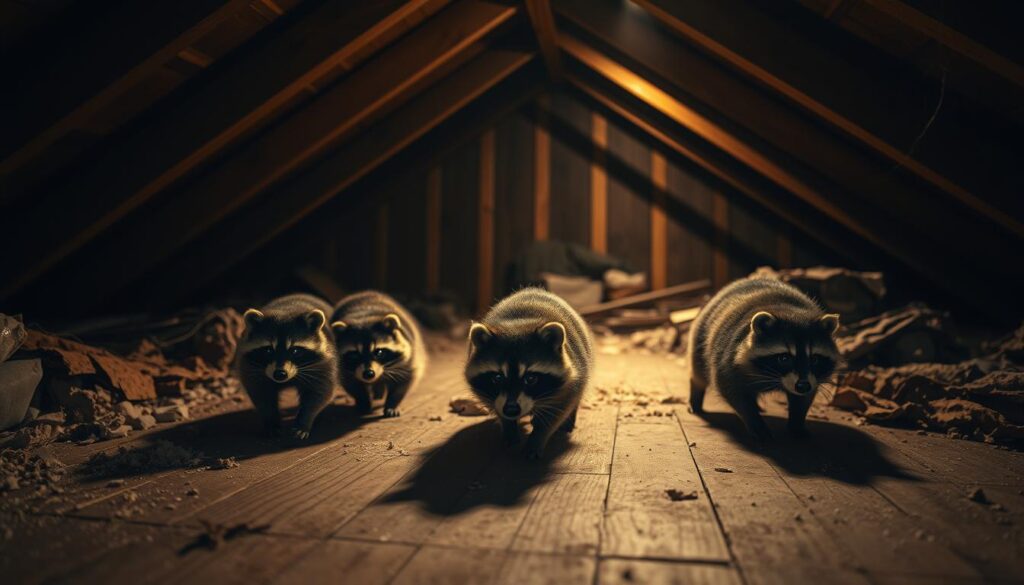
Norwalk has wooded areas, parks, and quiet neighborhoods. It makes it a perfect place for animals like raccoons, squirrels, bats, skunks, and opossums, which is why wildlife control is so important for homeowners. These animals often enter homes in search of warmth, food, or a safe place to raise their babies.
Many homeowners call us after noticing:
Scratching or banging sounds in the attic
Strong smells coming from the walls or ceilings
Chewed wires or torn insulation
Small holes near vents, roofs, or siding
Because we live and work in Norwalk, we know these signs well. We can spot problems early and stop small issues from turning into serious damage or health concerns.
The Advantage of Hiring Local Wildlife Control Experts
Local experts care deeply about their community. When you hire a company based in Norwalk, you are working with people who want to protect their neighbors’ homes, not just finish a job quickly.
Our local knowledge allows us to offer:
Fast help when wildlife problems are urgent
Understanding of Connecticut wildlife laws
Humane and safe removal methods
Solutions made for Norwalk homes and weather
We are proud to serve our neighbors and build trust through honest, high-quality work.
Humane and Responsible Wildlife Removal Practices
We believe animals should live outdoors, not inside homes. Our goal is to remove animals safely without harm. We take time to understand the problem before starting any work.
Our wildlife control process includes:
A full home inspection
Safe and ethical animal removal
Closing entry points to keep animals out
Tips to prevent future problems
By using careful wildlife control methods, we help protect both your home and the animals.
Protecting Your Home from Damage and Health Risks
Animals inside your home can cause more than noise. They can chew wires, damage insulation, and leave droppings behind. It can lead to health risks and costly repairs.
Professional wildlife control services help by:
Lowering the risk of electrical fires
Reducing germs and bacteria in your home
Protecting insulation and energy use
Finding damage that may be hidden
At Essential Wildlife Control, we help homeowners not only remove animals but also understand how to protect their homes moving forward.
Why Experience and Local Knowledge Matter
Animals behave differently during each season. Some enter homes to stay warm, while others are looking for places to raise young. A company that does not know Norwalk may miss these details.
Our local experience helps us:
Handle baby animals safely and legally
Follow all state and local wildlife rules
Find common entry points in Norwalk homes
It helps us provide solutions that last, not just short-term fixes.
Transparent Service You Can Trust
We believe trust starts with honesty. From your first call, we explain what is happening in clear, simple terms. We show you where animals entered and what needs to be done.
We do not push services you do not need. We focus on smart, effective solutions that fit your home and budget. This honest approach is why many homeowners trust Essential Wildlife Control.
A Local Company Committed to the Norwalk Community
We are proud to serve the Norwalk community. Our work is built on care, respect, and strong results. We treat every home as if it were our own.
When you choose us, you get:
A team that knows Norwalk well
Respectful professionals you can trust
Long-term solutions that protect your home
Our goal is to help homeowners feel safe and comfortable again.
Call Local Experts You Can Rely On
Wildlife problems do not go away on their own. Waiting too long can lead to more damage and higher costs. If you hear noises or notice signs of animals, it is time to take action.
At Essential Wildlife Control, we are proud to be the local choice for wildlife control in Norwalk. Our humane methods and local knowledge help keep homes safe and protected.📞 Call us today at (203) 667 5933 to schedule an inspection or speak with our team. Let us help protect your home, your family, and your peace of mind.
Heard Scratching Above? When to Call for Professional Animal Control in Norwalk
Homeowners in Norwalk often deal with wildlife problems. These can cause a lot of damage and health issues. Scratching sounds from above or in walls usually mean there's a bigger problem.
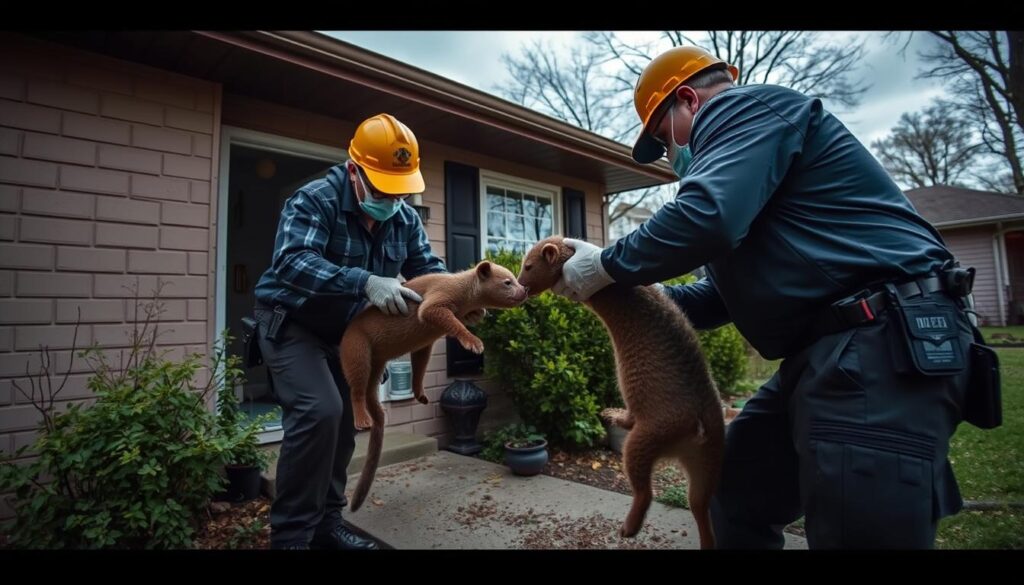
When critters get into homes, it's important to act fast. Wildlife removal experts can solve the problem. They make sure your home is safe and sound. They have the right tools and know-how for these jobs.
Key Takeaways
Identify signs of wildlife intrusion, such as scratching noises.
Understand the importance of prompt action in addressing the issue.
Recognize the role of professionals in wildlife removal and pest control.
Consider the benefits of hiring local experts familiar with Norwalk CT wildlife.
Take steps to prevent future intrusions with the help of animal control services.
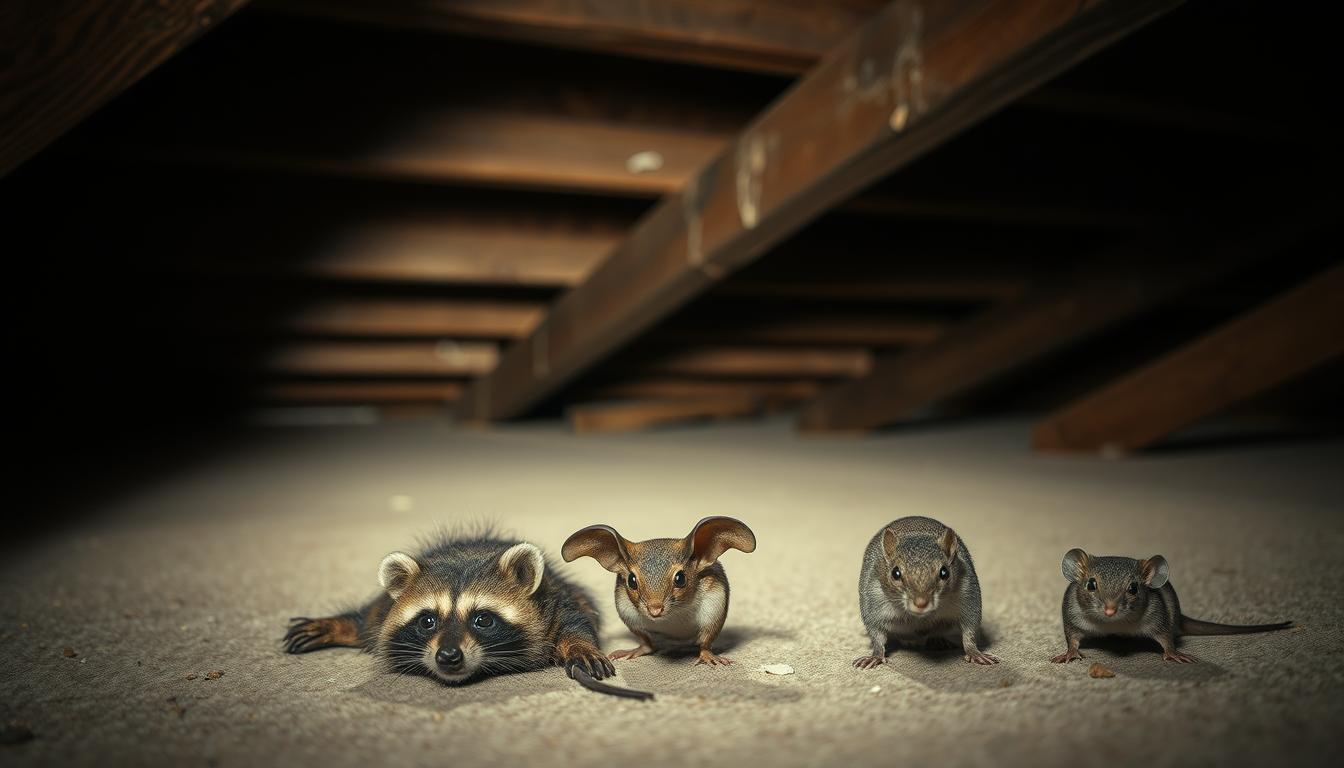
Wildlife intruders in residential attics are more common than you might think. Many animals look for shelter in attics, causing a lot of disturbance.
Identifying Attic Invaders by Sound and Evidence
To tackle the problem, it's key to figure out who's in your attic. Different animals make different sounds and leave different signs.
Raccoons, Squirrels, and Rodent Identification
Raccoons are known for their dexterous hands and can make a lot of noise while rummaging through attic storage.
Squirrels are typically heard scurrying or scratching, often during the day.
Rodents, such as mice and rats, are usually nocturnal and make faint scratching or scurrying noises.
Seasonal Patterns of Wildlife Intrusions
Wildlife intrusions into attics often follow seasonal patterns.
Why Animals Seek Shelter in Homes
As seasons change, animals seek shelter in homes to escape harsh weather. For example, raccoons and squirrels may invade attics to stay warm during colder months.
Signs That Indicate You Need Professional Animal Control in Norwalk
Homeowners should watch for signs that mean it's time to call animal control in Norwalk. Unwanted wildlife in your home can cause big problems if not fixed fast.
Persistent Scratching, Scurrying, and Other Noises
If you hear scratching, scurrying, or odd noises from your attic or walls, you might have unwanted guests. Sounds like these often mean animals like raccoons, squirrels, or bats have moved in.
Visual Evidence of Animal Presence
Seeing signs can be as telling as hearing noises. Look for droppings, nesting materials, or spotting animals in your home.
Droppings, Nesting Materials, and Entry Points
Animal droppings can be harmful to your health, and nesting materials show a bigger problem. Check your home for holes or gaps that animals might use to get in.
Property Damage and Health Concerns
Wildlife in your home can damage property and pose health risks. Animals can chew on wires, harm insulation, and spread diseases through their droppings.
Disease Risks and Structural Damage
Disease risks are a big worry, as animals can spread diseases to people. Also, damage to your home's structure can lead to expensive fixes.
DIY Solutions vs. Professional Wildlife Removal
Dealing with animals in your attic or yard can be stressful. Choosing between DIY solutions and professional wildlife removal is key. It's important to pick the safest and most effective method.
Limitations of Store-Bought Repellents
Store-bought repellents often don't keep wildlife away for long. They might not work for the specific animal causing trouble. Their success depends a lot on the animal and how bad the problem is.
Risks of Self-Removal Attempts
Trying to remove wildlife yourself can be risky. It can lead to safety hazards and legal problems. Animals may act unpredictably when cornered, causing harm or damage.
Safety Hazards and Legal Considerations
Trying to remove wildlife yourself can expose you to diseases. It may also break local legal considerations about handling animals. Professionals know how to do it safely and legally.
Benefits of Professional Humane Wildlife Management
Professional humane wildlife management services offer a full solution. They ensure wildlife is removed safely and effectively. They also find and seal entry points to stop future problems.
Effective Removal and Prevention Strategies
Professionals use effective removal and prevention strategies. They protect your home from future wildlife invasions. This not only solves the current problem but also gives you long-term peace of mind.
Conclusion: Protecting Your Home from Unwanted Wildlife
Keeping your home safe from wildlife is very important. It helps keep your living space healthy and safe. Knowing the signs of animal intruders and when to get help is key.
At Essential Wildlife Control, we offer humane animal control services in Norwalk. Our team can handle many types of wildlife problems. We make sure your home stays safe from unwanted animals.
If you want to learn more about our services or need a consultation, call us at (203)6675933. Or email us at abrahamewc@gmail.com. We're here to help protect your home from wildlife, giving you peace of mind.
FAQ
Q: What are the most common wildlife intruders in residential attics in Norwalk?
A: In Norwalk, raccoons, squirrels, and rodents are the usual attic invaders. They cause damage and trouble for homeowners.
Q: How can I identify if I have a wildlife intrusion in my attic?
A: Listen for strange noises like scratching and scurrying. Look for animal signs like droppings, nests, or entry points.
Q: What are the risks associated with having wildlife in my attic?
A: Wildlife in your attic can spread diseases and damage your home. It's crucial to deal with it quickly.
Q: Can I remove wildlife from my attic myself?
A: DIY removal is risky and not recommended. It can lead to safety hazards and legal problems. It's better to hire a pro.
Q: How can professional wildlife removal services help me?
A: Services like ours at Essential Wildlife Control can safely remove wildlife. We also prevent future invasions.
Q: What are the benefits of hiring a professional animal control service in Norwalk?
A: Professional services ensure safe and effective wildlife removal. This protects your health, property, and the animals.
Q: How can I contact Essential Wildlife Control for animal control services in Norwalk?
A: Call us at (203)6675933 or email abrahamewc@gmail.com. We'll provide more info and schedule a consultation.
Attic Intruders? Professional Wildlife Removal Starts Here
"The clearest way into the Universe is through a forest wilderness." - John Muir. For many Connecticut homeowners, an unwelcome presence in their attic can quickly turn their haven into a wildlife control nightmare.
As the seasons change, the likelihood of encountering unwanted guests in your attic increases. Raccoons, squirrels, and other wildlife can cause significant damage and pose health risks. It's essential to address the issue promptly.
At our company, we understand the importance of safely and humanely removing these intruders to restore your home to its original state. With professional attics removalservices, you can trust that the problem will be handled efficiently and effectively.
Key Takeaways
Identify common signs of wildlife presence in your attic.
Understand the risks associated with having wildlife in your attic.
Learn about the importance of professional wildlife removal.
Discover the benefits of humane and safe removal methods.
Find out how to prevent future wildlife intrusions.
Identifying Wildlife Intruders in Your Attic
Wildlife in attics is a common problem. Knowing the signs and types of wildlife is key for attic cleanouts. In Connecticut, homeowners often struggle to spot unwanted attic guests. This can cause more issues if not handled.
Common Signs of Animal Presence
Wildlife in your attic can show up in different ways. You might hear scratching, scurrying, or chirping sounds, often at night or early morning. Seeing droppings, nesting materials, or animals entering or leaving your attic also means you have an infestation.
Checking your attic for these signs is important. Look for:
Unusual noises or movements
Droppings or urine stains
Nesting materials like twigs, leaves, or insulation
Damage to wires, ducts, or other attic components
Types of Wildlife That Typically Invade Connecticut Attics
Attics in Connecticut often get invaded by raccoons, squirrels, bats, and rodents. Each animal brings its own set of problems and needs a specific removal plan. For example, raccoons can damage insulation and ductwork, while bats can be harmful due to their droppings.
Knowing the wildlife type is vital for choosing the right attic junk removal and attic debris removal services. Experts can identify the species and create a custom removal and exclusion plan.
The Dangers of Unwanted Attic Residents
Animals in your attic can harm your health and damage your home. Wildlife infestations are a serious issue that needs attention.
Health Risks Associated with Wildlife Infestations
Wildlife in attics can spread diseases. Histoplasmosis and leptospirosis are two serious diseases. These diseases can be very dangerous to you and your family, so it's important to act fast.
Wildlife droppings and urine can also cause allergies and make asthma worse. Even the leftovers from animals can be harmful to your health.
Structural Damage Caused by Attic Intruders
Wildlife in your attic can cause structural damage over time. Animals like raccoons, squirrels, and bats can damage wood, insulation, and even electrical wiring. This can weaken your home's structure and lead to expensive repairs.
Animal nests and dens can also damage your attic's insulation and cause moisture problems. Removing these unwanted guests quickly is key to avoiding long-term damage and keeping your home strong.
Knowing these risks shows why you need professional attic renovation and attic restoration services. By dealing with wildlife infestations quickly and well, you can keep your health and home safe.
Professional Attics Removal: Why DIY Methods Fall Short
DIY attic wildlife removal might seem like a good idea, but it often doesn't work well. People don't realize how hard it is to safely and humanely get rid of wildlife from their attics.
Limitations of Store-Bought Solutions
Store-bought wildlife removal products are often ineffective in the long run. They might not fix the main problem, like how animals get in or what attracts them. For example, using repellents or traps without closing entry points can lead to more animals coming back.
Some common problems include:
Lack of complete solutions
Not safe enough for humans or animals
More animals might come back because entry points are not sealed
Benefits of Professional Wildlife Removal Services
Professional wildlife removal services provide a comprehensive and kind way to get rid of unwanted attic animals. They do things like:
Check and find out what animals are there and how they get in
Remove animals in a way that's safe for them
Close entry points so animals can't come back
Clean and make the attic safe again
Choosing professional services means a safe and effective way to get rid of attic animals. They have the right tools and know-how to deal with different kinds of wildlife, giving a lasting solution.
Cost Comparison: DIY vs. Professional Services
DIY attic wildlife removal might seem cheap at first, but it can cost more in the long run. This is because of possible re-infestations or not fully removing the animals. Professional services might cost more at first, but they save money in the long run. They make sure the problem is fully fixed.
Looking at the costs of DIY versus professional services shows that pros can save money. This is because they:
Stop animals from coming back
Avoid expensive repairs because of animal damage
Keep people healthier by avoiding wildlife problems
Comprehensive Attic Restoration After Wildlife Removal
After removing wildlife from your attic, restoring it is key to keep your home safe. This step stops future infestations and health risks. It's important to make sure your attic is safe and secure again.
Restoring your attic means several important steps. First, you need to check the damage caused by wildlife. This helps find out what needs fixing, like dirty insulation or damaged structures.
Attic Cleanouts and Sanitization
The first thing to do is a complete attic cleanout. This means getting rid of all dirty materials and waste from the wildlife. Sanitizing is also key to get rid of any diseases or parasites left behind.
We use special tools and green cleaning solutions to clean and sanitize your attic well. This not only gets rid of health risks but also stops future problems.
Attic Insulation Removal and Replacement
Wildlife can make your insulation dirty or damaged. It's important to remove and replace it. This keeps your home energy-efficient and stops more damage.
We take out the old insulation and put in new, high-quality one. This makes your home more energy-efficient and lowers your bills. Plus, it keeps your home cozy all year.
Attic Space Reclaiming and Organization
After cleaning and replacing insulation, you can start organizing your attic. This means fixing any damage and adding storage to make the most of your attic.
Organizing your attic can turn it into a useful storage area or even a living space. This can increase your home's value. We help you design a storage solution that fits your needs and style.
Conclusion: Protecting Your Home and Family
Keeping your home and family safe from unwanted attic guests is crucial. Wildlife can be a big risk to your health and property. With Essential Wildlife Control, homeowners in Connecticut can get their attics back to normal.
At Essential Wildlife Control, we understand that finding wildlife in your attic isn’t just annoying—it’s unsettling. That’s whywe approach every attic removal with care, professionalism, and a deep respect for both your home and the animals involved. From safe extractions to sealing entry points, we make sure the problem is solved for good.
We’re here to protect your space, your safety, and your sanity—one attic at a time. Let’s reclaim your attic, together.For expert help with removing and restoring your attic, call Essential Wildlife Control at (203)667-5933. Or email us at abrahamewc@gmail.com. We're here to offer safe, humane, and effective solutions to make your home safe again.
FAQ
Q: What are the signs that I have wildlife in my attic?
A: Signs of wildlife in your attic include strange noises like scratching or scurrying. You might also find droppings or nesting materials. It's a good idea to check your attic often for any signs of trouble.
Q: What types of wildlife typically invade attics in Connecticut?
A: In Connecticut, raccoons, squirrels, bats, and rodents often get into attics. They can damage your home and pose health risks. It's important to get professional help to remove them.
Q: What are the health risks associated with wildlife infestations?
A: Wildlife in your attic can spread diseases like histoplasmosis and leptospirosis. These diseases come from contaminated droppings or urine. To stay safe, it's best to hire professionals for attic cleanouts and sanitization.
Q: Can I remove wildlife from my attic myself?
A: DIY methods might seem cheap, but they often don't work well. It's safer and more effective to hire professionals for wildlife removal. They ensure the animals are removed humanely and safely.
Q: What is involved in comprehensive attic restoration?
A: Restoring your attic means cleaning and sanitizing it, removing and replacing insulation, and organizing the space. We offer detailed services to get your attic back to its original state.
Q: How do I prevent future wildlife infestations in my attic?
A: To keep wildlife out, regularly check your attic, seal any holes, and use wildlife exclusion devices. Our team can help you find the best ways to protect your attic.
Q: What is the cost of professional attics removal services?
A: The cost of attic removal services depends on the problem's size and the needed work. We offer fair prices and can give you a detailed estimate for your attic's restoration.
Q: Do you offer attic organization and storage solutions?
A: Yes, we help homeowners make the most of their attic space. Our services include organizing and reclaiming attic areas for better storage and condition.
Q: Are your wildlife removal services humane?
A: Yes, we use humane methods to remove wildlife from your attic. Our team focuses on safe and stress-free removal. We aim to provide effective and compassionate solutions.
Seal It, Block It, Stop It: Pro Wildlife Management in Norwalk
Are unwanted critters taking over your property in Norwalk? Are you tired of dealing with the damages and dangers they bring? Effective wildlife control is crucial for homeowners and businesses alike to protect their properties.
We understand that wildlife managementin Norwalk requires a comprehensive approach, specially in areas like Norwalk with diverse local fauna. In this article, we will explore various methods to seal, block, and stop unwanted wildlife intrusions.
Key Takeaways
Understand common wildlife challenges in Norwalk.
Learn effective strategies for wildlife control.
Discover methods to prevent property damage.
Safeguard your property with the right wildlife management techniques.
Implement a comprehensive approach to wildlife protection.
Common Wildlife Challenges in Norwalk
Norwalk residents face many wildlife challenges that need to be managed well. Knowing these challenges helps us deal with the risks wildlife can bring.
Identifying Local Nuisance Species
In Norwalk, the main nuisance species are raccoons, squirrels, and bats. They can harm your property and health.
Seasonal Wildlife Activity Patterns
Wildlife in Norwalk changes with the seasons. For example, squirrels are busier in the fall getting ready for winter. Bats are more common in the summer. Knowing these patterns helps us get ready for wildlife visits.
Season
Common Wildlife Activity
Spring
Increased activity of raccoons and squirrels
Summer
Bats and other flying creatures are more active
Fall
Squirrels and raccoons preparing for winter
Winter
Rodents seeking shelter in homes
Health and Property Risks
Wildlife can pose big health and property risks. These include diseases, allergies, and damage to your home. It's key for homeowners to know these risks and act early.
Recognizing Signs of Wildlife Intrusion
Wildlife intrusion can damage properties in Norwalk. It's key to spot signs early. As Norwalk wildlife experts, we stress knowing the signs of wildlife around your property.
Visual Evidence to Look For
Looking for visual signs is a good way to detect wildlife. You might see droppings, nests, and tracks. For example, raccoon droppings are near food, and squirrel nests are in trees or attics.
Distinctive Sounds and Odors
Listen for sounds like chirping, scratching, or scurrying. Unusual smells, like strong urine or feces, also hint at wildlife. A musky smell might mean raccoons or opossums are around.
Telltale Property Damage Indicators
Look for chewed wires, damaged insulation, or torn screens. These signs show wildlife activity. If you see damage, act fast to avoid more problems. Our wildlife removal services Norwalk team can help fix these issues.
Signs of Wildlife Intrusion
Description
Visual Evidence
Droppings, nests, tracks
Distinctive Sounds
Chirping, scratching, scurrying noises
Unusual Odors
Strong urine or feces smells
Property Damage
Chewed wires, damaged insulation, torn screens
Wildlife Management in Norwalk: A Comprehensive Approach
Understanding local wildlife behavior is key to successful wildlife management in Norwalk. By studying their habits, homeowners can prepare for wildlife intrusions.
Understanding Local Wildlife Behavior
Wildlife in Norwalk shows different behaviors that affect how they interact with homes. Some species are more active at certain times or seasons. Knowing these patterns helps homeowners protect their properties.
Integrated Management Strategies
Effective wildlife management combines exclusion, repellents, and habitat modification. Exclusion seals entry points to keep wildlife out. Repellents keep wildlife away. Habitat modification makes the environment less appealing to wildlife.
Strategy
Description
Benefits
Exclusion
Sealing entry points to prevent wildlife intrusion
Humane, can be used in conjunction with other methods
Habitat Modification
Altering the environment to deter wildlife
Reduces attractants, makes property less appealing to wildlife
When to Implement Control Measures
Timing is important for wildlife control measures. Some methods work better during certain seasons or when wildlife is most active. Understanding these patterns helps homeowners use their efforts more effectively.
Seal It: Effective Home Exclusion Techniques
Sealing your home against wildlife is key to keeping it safe and secure in Norwalk. Good home exclusion techniques stop damage and health risks from wildlife. They make your home a safer place.
Essential Sealing Materials and Tools
To seal your home well, you need the right stuff. Steel wool, caulk, and hardware cloth are top choices for sealing gaps. They keep wildlife out by blocking their entry points.
Step-by-Step Sealing Process
First, check your home for where wildlife might get in. Then, find the weak spots and seal them up. This careful work makes sure no gaps are left for wildlife.
Professional Sealing vs. DIY Approaches
DIY sealing can save money, but professional sealing services do it better. Pros know how to find and seal all entry points. They give homeowners peace of mind.
Choosing the best sealing method keeps Norwalk homes safe from wildlife. It makes your home a secure place to live.
Block It: Creating Effective Wildlife Barriers
Managing wildlife means setting up strong barriers to keep them out. We know that the right barriers can greatly lower wildlife entry risks in Norwalk. Homeowners can safeguard their properties by using the right materials and methods.
Physical Barrier Installation Guide
Setting up physical barriers is key to blocking wildlife. We suggest using tough materials like metal mesh or hardware cloth for fences. The fence should go at least 3 feet underground to stop burrowing animals.
Here's a simple guide to setting up a physical barrier:
Check your property's perimeter for entry points.
Pick the right material for the wildlife you're facing.
Dig a trench around your property, 3 feet deep.
Put in the fencing material, making sure it's secure.
Species-Specific Blocking Methods
Each wildlife type needs its own blocking method. For raccoons, use a mesh of 1 inch or less. Deer need a fence that's at least 8 feet high.
Wildlife Species
Recommended Barrier
Mesh Size/Height
Raccoons
Metal Mesh
1 inch or smaller
Deer
Tall Fencing
8 feet or taller
Rodents
Hardware Cloth
1/4 inch or smaller
Maintenance of Wildlife Barriers
Keeping barriers in good shape is crucial. We recommend checking them twice a year for damage or weak spots.
By following these tips and keeping up with barrier maintenance, you can greatly lower wildlife intrusion risks. For help with wildlife removal in Norwalk or pest control advice, reach out to local experts.
Stop It: Humane Wildlife Deterrent Methods
In Norwalk, we focus on humane ways to keep wildlife away from your home. These methods help protect your property without harming animals.
Non-Lethal Deterrent Options
Non-lethal deterrents are key in humane wildlife management. They include repellents and scare devices that keep wildlife away. Repellents make your property unappealing to wildlife, pushing them elsewhere.
Motion-activated sprinklers
Predator decoys
Noise-making devices
Electronic and Sensory Repellents
Electronic and sensory repellents are modern and effective. Ultrasonic devices make sounds that animals don't like but humans can't hear. Strobe lights also scare wildlife away. Place these devices around your property for best results.
Natural Repellent Solutions
Some people like natural ways to keep wildlife away. Certain plants and smells can do the trick. Planting repellent plants or using scented repellents is a green and effective method.
Planting repellent herbs like lavender or mint
Using predator urine or scented sprays
Employing homemade repellent solutions
Using humane deterrents can keep your property safe in Norwalk while respecting wildlife. For the best advice, talk to Norwalk wildlife experts. They can give you solutions that fit your needs.
Repairing and Restoring After Wildlife Damage
Fixing your property after wildlife damage is more than just repairs. It's about stopping future problems too. Wildlife can damage roofs and insulation, making your home unsafe. You need to fix the damage, clean up, and stop wildlife from coming back.
Restoration Techniques
Fixing your property's structure is key. This means repairing or replacing damaged parts like roofs and walls. For example, if raccoons got into your attic, you must fix the insulation and roof holes to keep them out.
Key Restoration Steps:
Inspect and repair damaged structures
Replace contaminated insulation
Seal all entry points
Sanitization and Hygiene
Cleaning up is vital to stop disease spread. You need to clean and disinfect areas where wildlife left droppings or stains. Always wear gloves and masks when dealing with these areas to stay safe.
Preventing Future Damage
To stop wildlife from coming back, find and seal their entry points. Use barriers like chimney caps to keep them out. Repellents or ultrasonic devices can also keep wildlife away.
Restoration Task
Description
Benefits
Structural Repairs
Fixing damaged roofs, walls, and insulation
Prevents further damage and health hazards
Sanitization
Cleaning and disinfecting contaminated areas
Reduces disease transmission risk
Wildlife Barriers
Installing chimney caps and vent guards
Deters future wildlife intrusions
Fixing your property after wildlife damage means keeping your home safe. Good Norwalk wildlife damage control and wildlife management in Norwalk need a plan that includes fixing, preventing, and watching for more problems.
Conclusion: Managing Wildlife, Protecting Your Peace
Keeping your property safe from wildlife is key in Norwalk. Knowing the local wildlife issues and using a full plan helps a lot.
At Essential Wildlife Control,wildlife management in Norwalk is about more than just removal—it's about prevention, protection, and peace of mind. Serving Norwalk and the surrounding areas, we provide humane, effective solutions that keep your home safe and nature where it belongs. From inspections to exclusion work, we manage the problem from start to finish.
We’re not just solving a problem—we’re creating a plan. Let’s manage your space, together.
Our team is dedicated to offering humane wildlife control in Norwalk. Call us at (203)6675933 or email abrahamewc@gmail.com to make your property wildlife-free. We help Norwalk homeowners with custom solutions that fit their needs.
With Essential Wildlife Control's help, you can keep your property safe and secure. Our knowledge in wildlife control lets homeowners enjoy their homes without wildlife worries.
Raccoons, Squirrels & Bats—Now What? Repairing Wildlife Damage in Norwalk
Homeowners in Norwalk often face unexpected intrusions by raccoons, squirrels, and bats. These intrusions can cause significant property damage and pose health risks. It's important to know the signs of such invasions to act quickly.
When animals like raccoons, squirrels, and bats invade homes, they can cause a lot of damage. It's crucial to address these issues quickly. This helps prevent further damage and ensures a safe living space.
Fixing the damage caused by these animals needs a detailed plan. This includes sealing off entry points and fixing damaged areas. EffectiveWildlife damage repair in Norwalk is key to solving these problems.
Key Takeaways
Identify signs of animal intrusions early to prevent extensive damage.
Secure entry points to prevent further animal invasions.
Restore damaged areas to maintain a safe living environment.
Consider professional help for effective animal control.
Understand local regulations regarding animal control in Norwalk.
Understanding Wildlife Damage in Residential Properties
It's key for homeowners in Norwalk to grasp the extent and type of wildlife damage. Properties here face various damages from animals like raccoons, squirrels, and bats.
Common Types of Wildlife Damage in Norwalk Homes
Different animals lead to different damages. Raccoons can rip through attic insulation. Squirrels might chew on electrical wires, risking fires. Bats, with their droppings, can spread diseases.
Damage types vary by animal:
Raccoons: Torn insulation, damaged vents, and contaminated areas with their feces.
Squirrels: Chewed wires, damaged roof materials, and entry points sealed with inappropriate materials.
Bats: Accumulation of guano (bat droppings) in attics, which can lead to health risks and structural damage.
Health and Safety Risks Associated with Wildlife Intrusions
Wildlife in homes is more than just property damage. It's a health and safety risk. For example, raccoon feces can carry Baylisascaris, a parasite that can harm humans. Squirrel damage to wiring can start fires, putting lives at risk. Bat guano can cause histoplasmosis, a lung disease, if its spores are breathed in.
To tackle these risks, homeowners might need wildlife removal services and pest control solutions. These can help safely and effectively solve the problem.
Identifying the Culprits: Signs of Animal Intrusion
It's important to know the signs of wildlife intrusion to fix problems right. Homeowners in Norwalk should watch out for raccoons, squirrels, and bats in their homes.
The signs of animal intrusion differ based on the wildlife. Raccoons damage insulation and leave feces. Squirrels chew wires and make holes around vents.
Raccoon Damage: What to Look For
Raccoons can tear insulation, contaminate areas with their feces, and even damage structures. Look for:
Torn or displaced insulation in attics or crawl spaces
Feces or urine stains in areas where raccoons have nested
Unusual noises coming from attics or walls, such as scratching or scurrying sounds
If raccoon damage is suspected, call a local animal control service to safely remove the animals and fix the damage.
Squirrel Entry Points and Damage Patterns
Squirrels can chew through wood and electrical wires. Look for:
Chewed wires or other electrical components
Entry holes around vents, chimneys, or other openings
Nesting materials in attics or walls
Squirrels can harm a home's structure and electrical systems. It's key to find and fix their entry points quickly.
Bat Infestations: Recognizing the Signs
Bat infestations show up with guano (bat droppings) and a bad smell. Other signs include:
Guano accumulation in attics or near entry points
Urine stains on surfaces
Noises coming from attics or walls, mainly at dusk or dawn when bats are most active
Bat infestations need careful handling. It's often best to get help from an animal removal company for safe and humane removal.
Initial Response: Securing Your Property After Wildlife Invasion
When you find wildlife in your home in Norwalk, it's key to lock down your property. This step is vital to stop more harm. The way you react at first can affect how much damage is fixed and keep your family safe.
Temporary Sealing Techniques
To keep wildlife out, you need to seal all entry spots. You can use steel wool, caulk, or foam to block them. But, make sure no animals are stuck inside before you seal it all up. Humane wildlife removal is important to avoid hurting the animals.
For big holes or serious damage, use strong stuff like hardware cloth or metal. This will hold until the pros can fix it for good.
Safety Precautions When Dealing with Animal Damage
When fixing wildlife damage, be careful. Wear gloves and a mask to protect yourself. Stay away from dirty areas to avoid getting sick.
If the problem is big or you don't know what to do, get help from Norwalk animal control experts. They know how to handle it safely and nicely.
When to Call Professional Help
Some problems you can fix yourself, but others need a pro. If there's a lot of wildlife, big damage, or you're not sure what it is, call the experts. Norwalk animal control experts can solve your wildlife issue safely and well.
Also, if you see signs of sickness or the animals are mean, you need help. This is for your safety and others around you.
Step-by-Step Guide to Wildlife Damage Repair in Norwalk
Fixing wildlife damage in Norwalk needs a careful plan. First, you must know how bad the damage is. This helps you start the repair work.
Assessing the Extent of Damage
The first thing to do is check the damage. Look for signs like torn insulation, chewed wires, or animal droppings. Finding all damage spots is key to a good repair plan.
Look for:
Visible signs of animal activity, such as nests or droppings
Damage to insulation, wiring, or other structural elements
Entry points, including holes or gaps in the roof, walls, or foundation
Cleaning and Sanitizing Affected Areas
After finding the damage, clean and sanitize the areas. This step is important to get rid of health risks from animal waste. Wear gloves and masks to protect yourself.
To clean and sanitize:
Take out all contaminated stuff, like insulation or debris
Use a disinfectant to clean surfaces and kill germs
Let the area dry completely before fixing it
Structural Repair Techniques
Once cleaned and sanitized, start fixing the structure. This might mean replacing insulation, fixing chewed wires, or sealing holes. Use strong materials to keep animals out.
Important repair methods include:
Replacing damaged insulation with animal-resistant materials
Repairing or replacing chewed wires to prevent electrical hazards
Sealing entry points with hardware cloth or other durable materials
If repairs are too hard or you're not sure, get emergency animal removal help. Or talk to affordable pest control experts. They know how to fix it right and safely.
Animal-Specific Repair Strategies
Fixing damage from wildlife in Norwalk homes needs a special plan. Different animals leave different marks on a house. Knowing how each animal damages is key to fixing it right.
Repairing Raccoon Damage: Torn Insulation and Contaminated Areas
Raccoons can really mess up a house by tearing insulation and leaving their mess. To fix this, start by thoroughly cleaning and disinfecting the damaged spots. This gets rid of health risks and stops more animals from coming back.
Next, check the insulation for damage. If it's torn or dirty, replace it all to keep your home warm and safe. Also, throw away any stuff that can't be cleaned well.
Fixing Squirrel Damage: Chewed Wires and Entry Holes
Squirrels love to chew on wires and make holes in houses. First, look for chewed wires, which can be dangerous. Replace damaged wires with a pro to stay safe.
Then, find and seal all entry holes with strong stuff like hardware cloth. Also, cut back tree branches that squirrels use to get to your roof.
Addressing Bat Damage: Guano Removal and Attic Restoration
Bats are good for the environment but can mess up your attic with their guano. Start by removing guano carefully to avoid getting sick. Clean and disinfect the area after.
To fix the attic, replace any damaged insulation. Also, find and seal the holes bats used to get in. Use materials that bats can't chew through or knock off.
For Norwalk homeowners facing wildlife damage, knowing how to fix it is important. If the damage is big, getting wildlife removal services might be the best choice for a safe fix.
Stopping wildlife damage is more than just fixing things. It's about taking steps to protect your home. Homeowners in Norwalk can lower the chance of wildlife getting in by using the right strategies.
Wildlife-Proofing Your Home's Exterior
Securing your home's outside is key to keeping wildlife out. Start by checking for gaps in the roof, vents, chimneys, and around windows and doors.
Seal all gaps and holes with durable materials like steel wool, caulk, or expanding foam.
Install chimney caps and vent covers to prevent animals from entering.
Trim tree branches that are close to your home to reduce access points for squirrels and other climbers.
Landscape Modifications to Deter Animals
Changing your yard can also help keep wildlife away. Make your yard less inviting to animals to lower the chance of them getting in.
Keep your yard clean by regularly disposing of debris and fallen fruits or berries.
Use wildlife-deterrent plants, such as those with strong scents or tastes that animals dislike.
Install fencing that is at least 3 feet high and extends at least 12 inches below ground to prevent burrowing.
Seasonal Maintenance Tips
Regular upkeep is essential to keep wildlife out. Stay on top of seasonal tasks to catch and fix problems early.
Inspect your home's exterior regularly, paying particular attention to areas prone to damage.
Clean gutters and downspouts to ensure water flows freely and doesn't accumulate, attracting wildlife.
Check for signs of wildlife activity, such as droppings or nesting materials, during your inspections.
Modern Technologies for Wildlife Prevention
Modern tech can add extra protection against wildlife. Tools like motion-activated sprinklers, ultrasonic repellent devices, and smart home systems can scare animals away and alert you to problems.
By using these methods, homeowners can greatly reduce wildlife intrusions and damage. For more complex issues or extra peace of mind, consider local animal control services or pest control solutions professionals.
From Chaos to Comfort—We’re With You Every Step of the Way
Quick action is key to keep your home safe and sound. Raccoons, squirrels, and bats can really damage your home in Norwalk. It's important to fix and prevent these problems.
At Essential Wildlife Control, we know the damage doesn’t stop when the wildlife leaves. That’s why we don’t just remove—we repair. Whether raccoons tore through insulation, squirrels chewed electrical wires, or bats left behind mess and odor, we provide expert wildlife damage repair in Norwalk that restores your home and peace of mind.
We treat your home like our own—safely, thoroughly, and with care. Let’s fix what’s broken and protect your space for good.
We’ve got your back—let’s get it back to normal, together.
If wildlife is a problem, call us for help. We provide humane wildlife removal and more. You can reach us at (203) 667-5933 or email abrahamewc@gmail.com. We're here to help in Norwalk.
Norwalk's Hidden Guests: Signs You Need Animal Control Now
Are you unknowingly sharing your Norwalk home with unwelcome guests? Many residents are surprised to find out thatwildlife has invaded their living space. The presence of wildlife can pose significant health risks and cause substantial property damage.
Recognizing the signs of wildlife infestation is crucial to maintaining a safe and healthy living environment.Animal control in Norwalk is essential in addressing these issues promptly. By being aware of the indicators of wildlife presence, homeowners can take necessary actions to secure their homes.
Key Takeaways
Identify signs of wildlife infestation early
Understand the importance of prompt animal control action
Recognize the role of wildlife removal services in maintaining a safe home
Take necessary steps to secure your home against wildlife
Consider hiring Norwalk animal control experts for effective solutions
Recognizing Unwanted Wildlife in Your Home
Wildlife can sometimes become unwelcome guests in our homes. It's key to spot their presence early. Unwanted animals can damage property and pose health risks. Knowing the signs of wildlife infestation helps homeowners act fast.
Telltale Sounds That Reveal Animal Intruders
One of the first signs of wildlife is the sounds they make. Scratching, scurrying, or chirping noises from walls, attics, or basements are common. These sounds are often heard at night when homes are quiet.
For example, the scratching of rodents or the chirping of birds in attics are early warnings. Homeowners should watch for these unusual noises. They might need wildlife removal services.
Visual Evidence: Droppings, Damage, and Nesting Materials
There are also visual signs of wildlife. Droppings or feces left behind are a clear sign. Damage to property, like chewed wires or torn fabrics, also indicates wildlife presence.
Nesting materials like twigs or shredded paper in unusual places also signal animal presence. Spotting these signs early helps in finding pest control solutions before things get worse.
Seasonal Wildlife Patterns in Residential Areas
Knowing seasonal wildlife patterns helps predict when animals might invade homes. For example, rodents seek warmer shelter in homes during winter. In spring, raccoons and squirrels invade attics to nest.
By understanding these patterns, homeowners can protect their homes. This includes sealing entry points and removing attractants. Such steps can prevent the need for wildlife removal serviceslater.
Health and Property Risks of Wildlife Infestations
Wildlife in homes is a big threat to health and property. Homeowners in Norwalk need to know these risks to act fast.
Disease Transmission and Contamination Concerns
Wildlife can spread diseases like histoplasmosis, leptospirosis, and hantavirus through their waste and saliva. It's important for homeowners to understand these risks and take steps to protect themselves.
Contamination can happen through direct contact with animal waste or through ticks and fleas. Cleaning and disinfecting properly is key to stopping disease spread.
Structural Damage Assessment and Costs
Wildlife can damage homes a lot. Animals like rodents and raccoons can chew on wires, insulation, and wood. This can weaken a home's structure.
Fixing this damage can cost a lot. Sometimes, you need a professional to fix it. Homeowners should act quickly to avoid more damage.
Safety Threats to Family Members and Pets
Wildlife can also be a danger to family and pets. They can attack directly, and bring in parasites like ticks and fleas. Keeping everyone safe is very important.
Homeowners should make their homes safe and keep wildlife out. This means sealing holes and removing things that attract wildlife.
Professional Animal Control in Norwalk: When and Why to Call Experts
In Norwalk, homeowners sometimes find themselves dealing with unexpected wildlife. It's important to know when to call for professional help. DIY methods might save money, but they can be risky and not fully solve the problem. Experts in animal control can handle many wildlife issues safely and humanely.
Emergency Situations Requiring Immediate Professional Response
Aggressive animals like raccoons or bats can be dangerous. It's crucial to call professionals for safe and humane removal. Large infestations also need quick action to avoid property damage and health risks. Animals trapped in tight spots, like attics or chimneys, must be rescued by experts to keep everyone safe.
Humane Removal Methods for Different Species
Animal control services use humane removal methods for each species. For example, raccoons and opossums are removed with special devices that keep them out. Bats are removed when they're active, so young ones aren't left behind. Experts use special tools to catch and move animals safely, reducing stress and harm.
Exclusion devices for raccoons and opossums
Specialized bat removal techniques
Safe capture and relocation methods for various species
Prevention Strategies to Secure Your Home
After removing wildlife, experts offer prevention strategies to keep homes safe. They seal entry points, install deterrents, and clean up attractants. These steps help prevent future invasions, making homes safer and more secure.
In Norwalk, it's key to have affordable pest control services that are both effective and humane. Calling professionals ensures the job is done right, protecting homes and wildlife alike.
Conclusion: Take Back Your Space with Help from Norwalk’s Wildlife Experts
Knowing the signs of wildlife infestation is key for Norwalk residents. It's important to understand the risks. When you face wildlife problems, getting help from experts is usually the best move.
At Essential Wildlife Control, we understand how unsettling it can be to discover uninvited guests in your attic. That’s why we’re committed to providing safe, humane, and effective animal control solutions right here in Norwalk. We don’t just remove wildlife—we help you take back your peace of mind. From raccoons and squirrels to bats and birds, we’ve seen it all, and we’re here to help every step of the way.
If you suspect wildlife in your home, don’t wait. Let’s solve the problem—together.
If wildlife is causing you trouble, contact us at (203)6675933 or abrahamewc@gmail.com. We're here to help with your wildlife issues. Choose Essential Wildlife Control for efficient and humane solutions.
FAQ
What are the signs that I need animal control services in Norwalk?
Look for scratching or scurrying sounds. Also, check for droppings or property damage. Seasonal wildlife patterns can hint at an invasion.
How can I identify if I have a wildlife infestation in my home?
Search for droppings, property damage, and nesting materials. Listen for sounds from walls, attics, or basements. Knowing when animals invade can help you prepare.
What are the health risks associated with wildlife infestations?
Infestations can spread diseases like histoplasmosis and leptospirosis. These diseases come from animal droppings and saliva.
Why should I call professionals for animal control in Norwalk?
Experts handle emergencies like aggressive animals or big infestations. They use humane methods and offer ways to keep your home safe.
What are the benefits of hiring a local animal control service?
Local services offer affordable, effective, and humane pest control. They know the local wildlife and tailor solutions to your problem.
How can I prevent future wildlife infestations in my home?
Experts can seal entry points and install deterrents. They also clean up attractants. This keeps your home safe and avoids emergencies.